







Search Results for: Extracted Crema
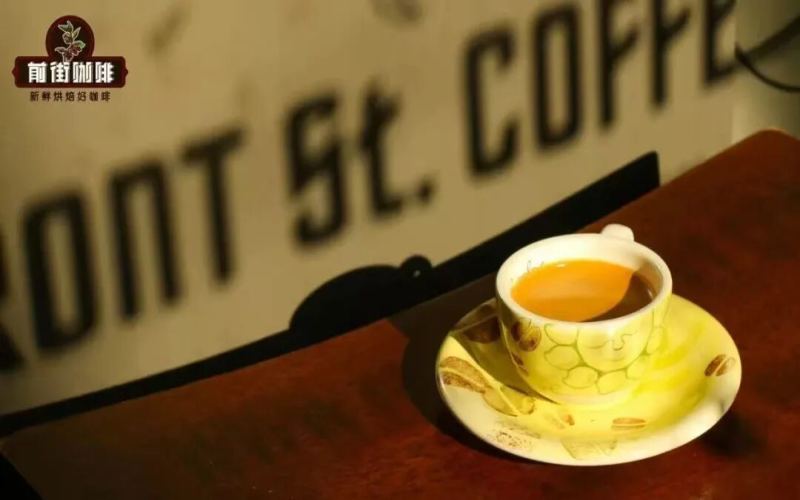
Espresso Crema | What Is Crema in Espresso? What Coffee Information Can the Crema on an Espresso Reveal?
As is well known, the coffee extracted from an espresso machine is not only very rich and intense, but also comes with a layer of golden crema. Because this layer of crema gives the coffee a rich aroma and a smooth, dense mouthfeel, and is also a product unique to espresso, people often call it the soul of espresso. But... [more…]
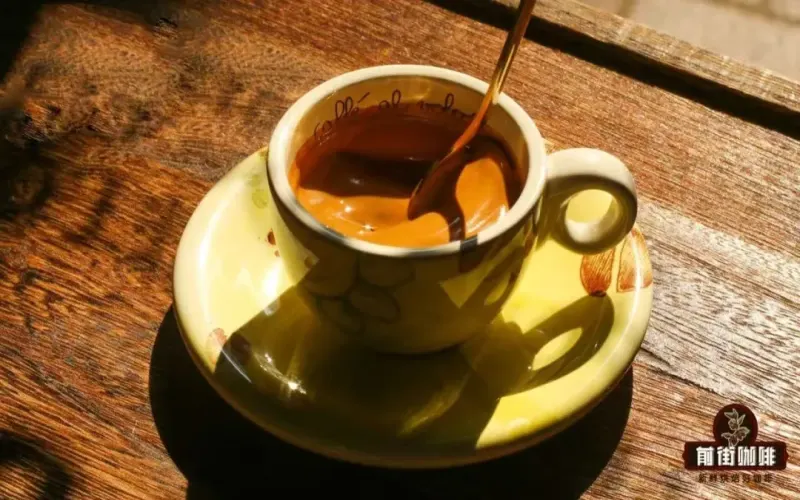
The Secrets Behind Espresso Crema Thickness: Judging Coffee Bean Freshness and Extraction Timing from Crema Condition
The layer of golden-brown crema on the surface of an espresso is not just a visual pleasure—it actually carries important clues about the state of the coffee beans. Many friends who own espresso machines will notice that the crema extracted each time is sometimes thick and rough, and sometimes fine and thin. These differences are not accidental, but an external manifestation of changes in the carbon dioxide content inside the coffee beans. From the perspective of Front Street, this article guides everyone to understand the essential composition of crema, and to learn to judge whether the coffee beans are in their optimal flavor period by observing the thickness, fineness, and stability of the crema, so as to adjust the extraction plan in time and let every cup of espresso perform at its proper level. [more…]
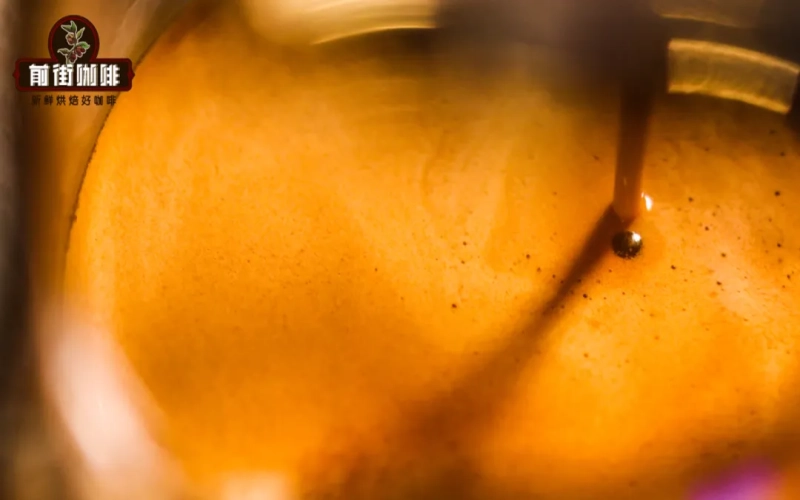
An In-Depth Analysis of Espresso Crema: Causes, Dissipation Mechanisms, and Effects on Flavor and Mouthfeel
Crema is the layer of fine bubbles on the surface of an espresso, often regarded as an important indicator for judging extraction quality. But how exactly does crema form? Why does it dissipate? Does its thickness directly determine flavor? This article will systematically analyze the nature of crema from physical and chemical perspectives, explore how 9 bar pressure and a carbon dioxide supersaturated state generate countless bubbles, reveal the mechanisms by which gravity and surfactants cause foam collapse, and analyze the effects of roast level, extraction time, water temperature, and other factors on the color and persistence of crema. At the same time, the article will also provide diagnostic approaches for common problems such as thin crema and insufficient aroma, and recommend Front Street Coffee's classic blend coffee beans to help you make espresso with a rich mouthfeel and full flavor. [more…]
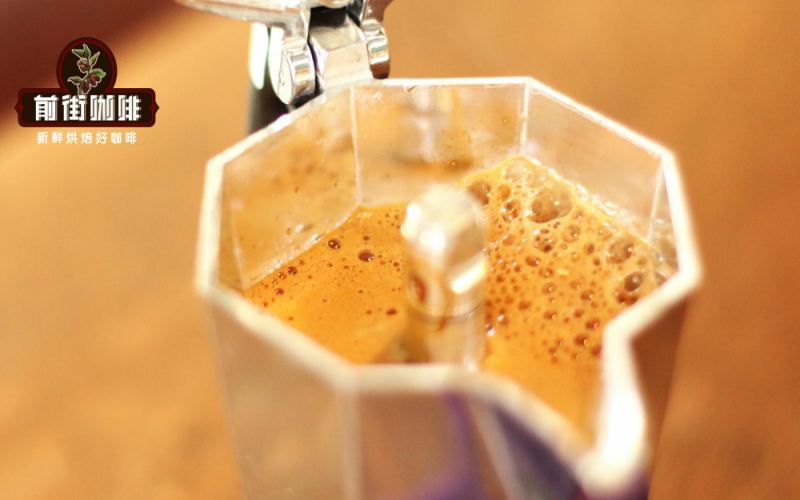
What's the difference between the crema extracted by a moka pot and an espresso machine? A comprehensive analysis from the origins of their invention to the pressure differences
Since its invention in 1933 by Italian engineer Alfonso Bialetti, the moka pot has become the entry-level choice for many coffee lovers thanks to its compact convenience and ability to brew rich, strong coffee. However, many people mistakenly believe that a moka pot can extract the same thick, golden crema as an espresso machine, and use it for latte art. In fact, the fundamental difference in pressure between the two determines that the crema produced by a moka pot cannot match a coffee machine in either fineness or persistence. So what exactly is crema? Where does the extraction pressure difference between a moka pot and a coffee machine lie? And what can you do to get thicker crema from a moka pot? This article will answer these questions one by one. [more…]
A Complete Guide to Espresso Crema: Causes, Persistence, and Its Connection to Flavor and Mouthfeel
That layer of brown foam on the surface of an espresso—Crema—is often regarded as an important visual marker for judging the quality of a shot. What exactly is it made of? Why is it sometimes thick and long-lasting, yet at other times fleeting? Does the thickness of the crema really determine whether the flavor is good or bad? Starting from the essence of Crema, this article will analyze its formation mechanism, the reasons it dissipates, the typical signs of under-extraction, and the signals conveyed by the depth of its color, helping coffee enthusiasts and professionals view this layer of foam more rationally and thereby improve their espresso-making skills. [more…]

Espresso Crema | Why does espresso have a layer of crema? Can the crema tell you if an espresso is good or bad?
You often hear people say, "To judge whether an espresso tastes good, just look at the crema. The best espresso has a crema that is fine, thick, and golden." But can you really judge whether an espresso tastes good by the state of its crema? To find out whether this method works, Front Street only needs to give everyone two questions. [more…]
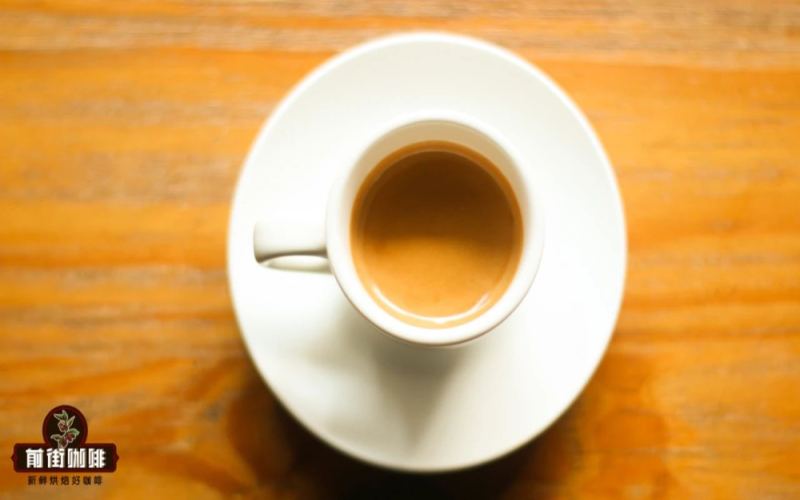
Espresso with little or no crema? A step-by-step analysis of the causes, from freshness and roast level to extraction parameters.
The golden layer of crema on the surface of espresso is often regarded as an important signal for judging the state of extraction. Under normal circumstances, the concentrated liquid will be covered by a golden crema about one-third of its thickness, showing a creamy texture when swirled, with noticeable clinging to the cup wall. If the extracted coffee lacks crema or has thin crema, it often indicates that something in the process has gone wrong—it could be the condition of the coffee beans themselves, or deviations in machine pressure, grind size, or water temperature. This article analyzes multiple factors affecting the amount of crema, including coffee bean freshness, roast level, degree of extraction, coffee machine pressure, and varietal differences, and provides diagnostic approaches for five common problem scenarios. The article also introduces Front Street Coffee's related products in fresh roasting and espresso blends. [more…]
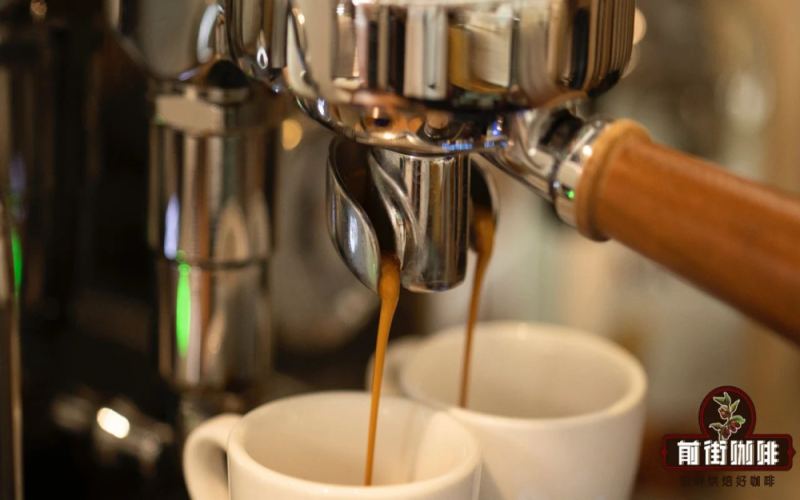
Espresso Crema | What Is Crema in Espresso? Does Crema Affect the Flavor and Mouthfeel of Espresso?
A deep understanding of the essence of crema will be of great help to baristas in making a delicious espresso. Today, the instructor of the Chongqing Barista Coffee Training Course will give you a detailed analysis of crema to help you understand espresso and improve your coffee-making skills. In searching for a cup that is not bitter and has excellent flavor, a rich [more…]
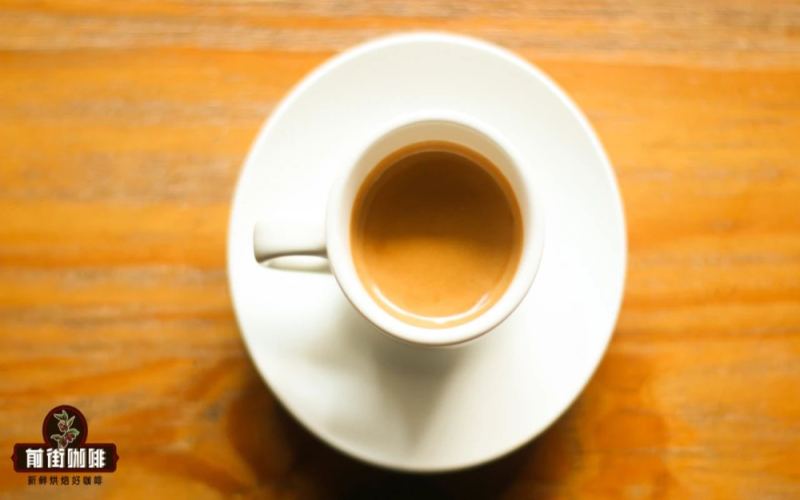
Espresso Crema | What Factors Affect Crema Thickness? Recommended Specialty Coffee Beans for Rich Crema in Espresso Extraction
Some friends often ask us for advice on espresso extraction issues. Many of them have encountered situations where the espresso shot lacks golden crema or the crema is thin. Since for espresso, that golden crema is its very soul, when the coffee has no crema [more…]
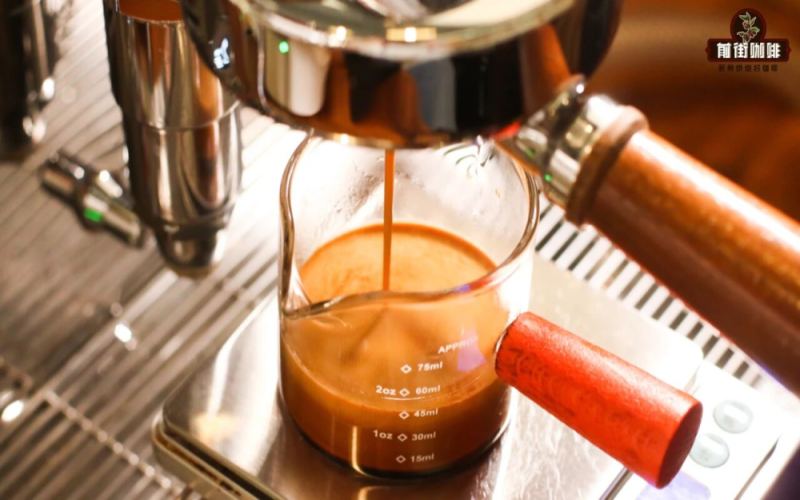
Summary of Reasons for Espresso Crema Extraction Failure: Key Judgments Based on Color Depth and Crema Thickness
The golden-yellow oil on the surface of espresso, known as crema, is regarded by many coffee lovers as the soul symbol of a good shot. Under normal conditions, the liquid should be covered by a golden-yellow crema layer about one-third thick, with a creamy texture when swirled and a clear cling to the cup wall. However, many people encounter thin or even completely missing crema in practice, which may involve multiple variables such as coffee bean variety, roast level, freshness, grind size, water temperature, and coffee machine pressure. Front Street Coffee has systematically sorted out these common issues, analyzing everything from bean selection to equipment parameters one by one, to help everyone quickly pinpoint the problem in the extraction process and bring back that alluring golden-yellow crema. [more…]

The Soul of Espresso Hides in the Crema: A Full Analysis of Crema Formation, Dissipation, and Color
Crema (coffee oil) is often regarded as an important visual indicator of whether an espresso is up to standard; it relates both to mouthfeel thickness and reveals whether extraction was sufficient. From the perspective of Front Street Coffee, this article sorts out the historical origins of crema, Illy's classic definition of espresso, and how the foam layer forms with the help of carbon dioxide, melanoidins, and hydrophobic substances. It will also explain why crema dissipates, what the depth of color can indicate, and how extraction time and water temperature affect the oil's performance, helping coffee lovers and baristas understand this layer of golden-brown foam more systematically. [more…]
The Origin of Americano | What Is the Standard Café Iced Americano Recipe? Is an Americano Without Crema Still Good?
What is Americano? "Americano" (English: Americano, Italian: Caffe Americano) is traditionally a black coffee made with a drip coffee maker. Because the extraction time is relatively long (about four to five minutes), the coffee taste is also more [more…]
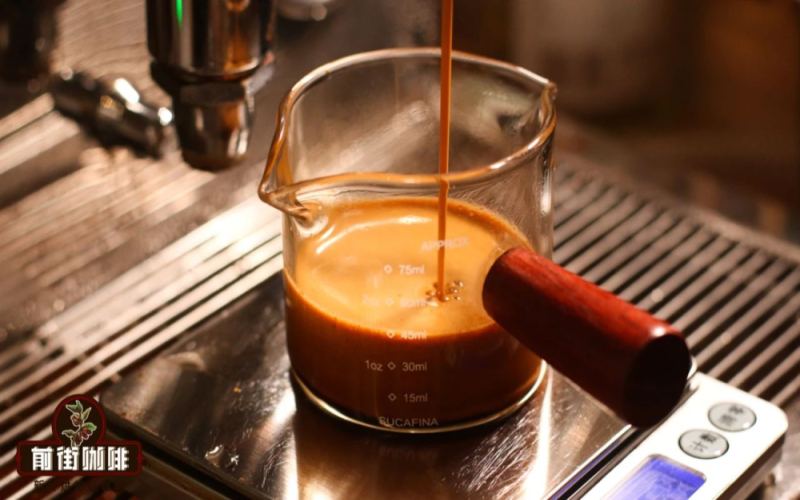
Five Major Reasons for Missing Crema in Espresso and a Guide to Adjusting Extraction Parameters
The golden crema on the surface of espresso is often regarded as the soul of Italian coffee, yet many enthusiasts encounter thin or even completely absent crema when pulling shots. Drawing on the practical experience of Front Street Coffee, this article systematically outlines the five key factors affecting crema formation—coffee bean freshness, roast level, extraction degree, varietal differences, and coffee machine pressure—and provides diagnostic methods and adjustment suggestions for common problems such as overly light roasts, stale beans, insufficient machine pressure, coarse grinding, and low water temperature. Whether you use a home machine or commercial equipment, you can find troubleshooting directions here to restore the rich crema and creamy texture that espresso deserves. [more…]
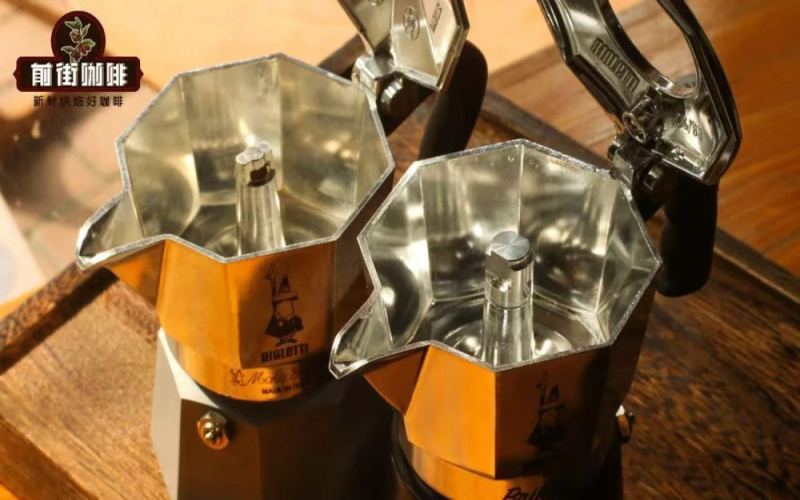
The Complete Guide to Extracting Rich Crema with a Moka Pot: Principles, Bean Selection, and Operational Techniques Explained in Detail
Many moka pot users are puzzled by why the coffee they brew lacks that alluring golden crema, while the pictures shown by merchants always feature thick foam. In fact, the essence of moka pot crema is the same as the Crema of espresso—both are foam clusters formed by carbon dioxide wrapped in emulsified oils, except that the pressure a moka pot can provide is far lower than that of an espresso machine, resulting in coarser and thinner foam. Starting from the common questions in Front Street Coffee's back-office inquiries, this article first analyzes the essence and formation conditions of crema, then systematically shares practical methods to enhance the richness of moka pot crema, including coffee bean selection, grind size adjustment, water temperature control, and the use of a pressure valve, and recommends several Front Street Coffee brand coffee beans suitable for moka pots, helping you easily extract a satisfyingly rich crema. [more…]

Selected Italian and American Coffee Bean Recommendations | Can Espresso Only Be Extracted with Blend Beans? Which Coffee Beans Can Make Espresso with Rich Crema?
The same coffee, prepared differently, can show a big difference in flavor. For example, the same medium-dark roasted Indonesian Mandheling coffee, when used for pour-over, shows a mellow but not harsh mouthfeel, with notes of caramel, herbs, and spices; while when extracted as espresso with a coffee machine, it has a rich layer of crema, not [more…]
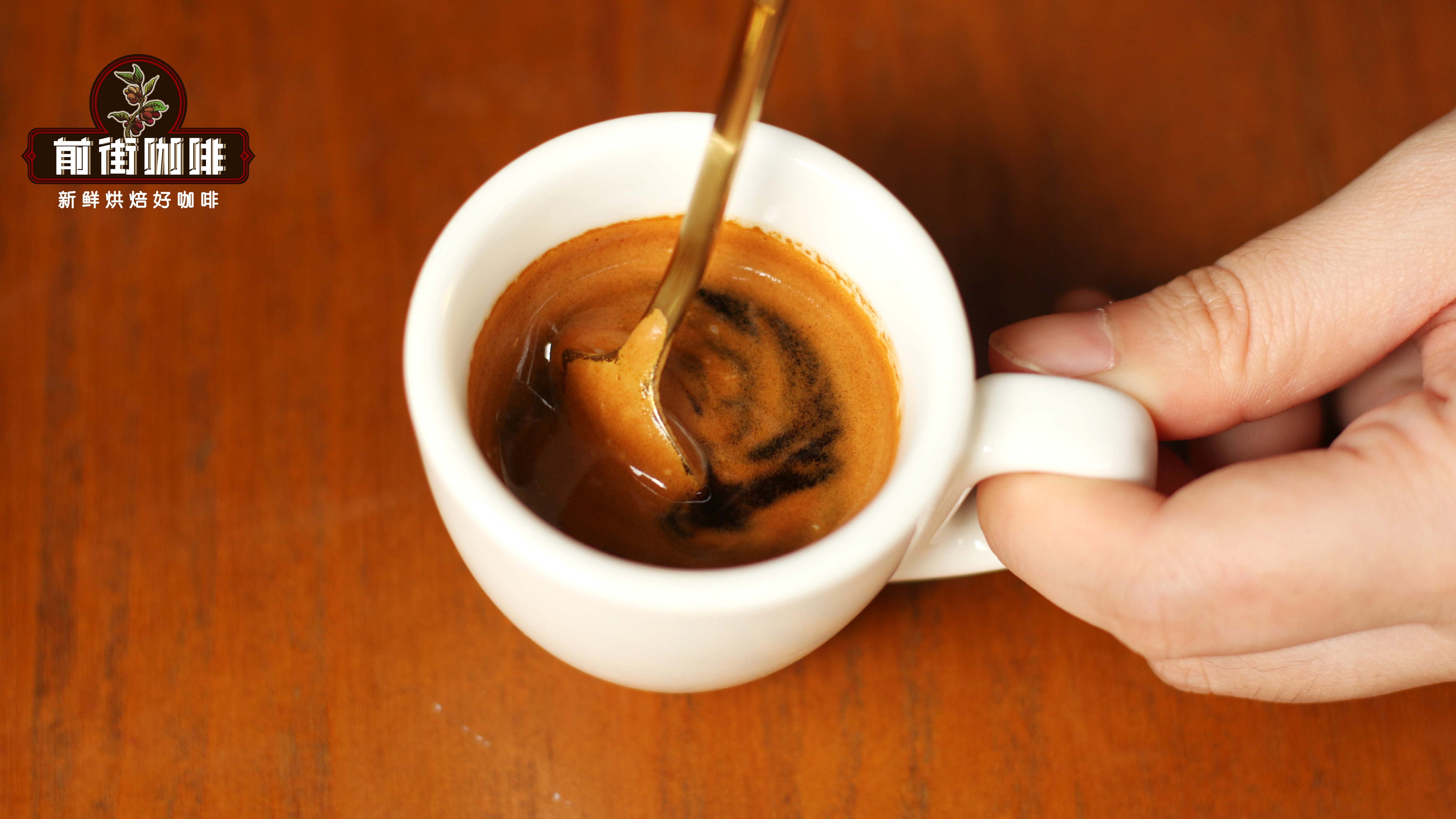
The Relationship Between Grind Size and Coffee Crema, Plus a Practical Guide to Choosing High-Crema Coffee Beans
When tasting espresso, the layer of brown foam floating on the surface—the coffee crema—is often the most intuitive standard for judging the quality of the extraction. But exactly what conditions determine how much crema is produced? Does a finer or coarser grind make it easier to produce crema? And how do the crema characteristics differ among different coffee beans? Starting from Front Street Coffee's extraction practices, this article systematically sorts out the basics of espresso and Americano, analyzes the key variables that affect crema formation, and introduces one by one the recipe characteristics and flavor orientations of several Front Street espresso blends and SOEs, helping coffee lovers find the cup that suits them, whether for home brewing or everyday tasting. [more…]

BRIKKA Moka Pot Crema Extraction Secrets and Latte Art in Practice: A Detailed Comparison with Espresso Operations
Can a moka pot produce crema? Can the coffee it makes pour a beautiful latte pattern? This article starts with the unique pressure valve design of the BRIKKA moka pot, breaks down in detail the complete steps for extracting coffee liquid with a moka pot, and compares latte art made with espresso extracted by a moka pot against that from an espresso machine. Through hands-on testing, it can be seen that because a moka pot has limited pressure, its richness and persistence of oils are not as good as an espresso machine, and the clarity and contrast of latte art patterns are also relatively weaker. But if you just want to use a moka pot to make a cup of milk coffee with a pattern and good taste, it is still a choice worth trying. This article uses Front Street Coffee Classic Espresso Blend coffee beans for testing, suitable for coffee enthusiasts as a reference. [more…]
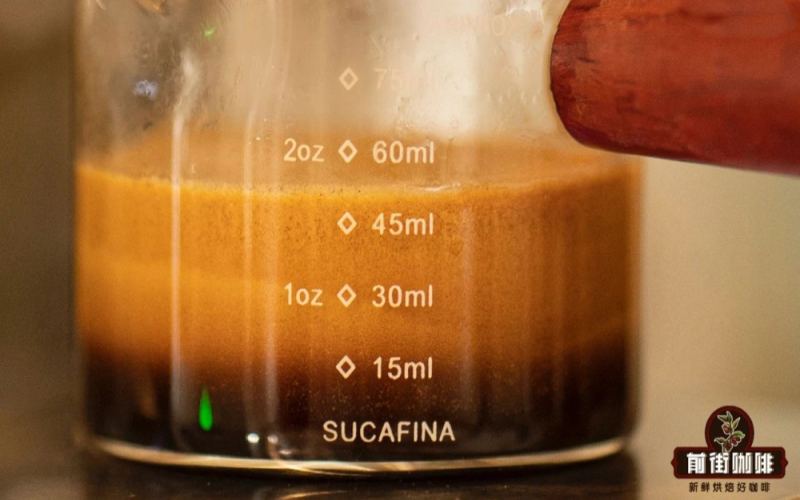
What Does It Mean When Espresso Has Little Crema? Can Crema Be Used to Judge Coffee Flavor and Quality?
Many coffee enthusiasts are in the habit of judging whether an espresso tastes good by observing the crema on its surface, believing that a fine, thick, golden-brown crema is the mark of a good coffee. But is that really true? Through two intuitive test questions, combined with factors such as the freshness of the coffee beans, the coarseness of the grind, and the extraction pressure, this article will take an in-depth look at the real relationship between the state of the crema and the flavor of the coffee, helping everyone view espresso crema rationally and no longer be fooled by appearances. [more…]
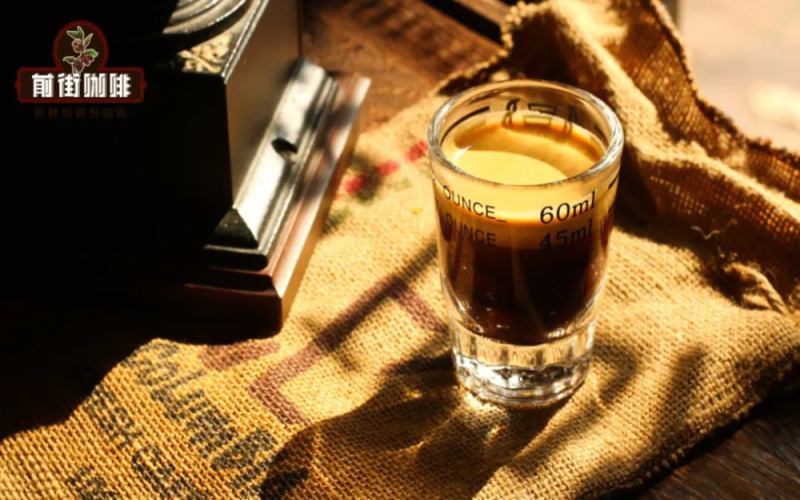
Key Factors That Determine the Thickness of Espresso Crema: From Coffee Bean CO2 Content to Robusta Blending
In the espresso extraction process, the richness of the crema is often one of the key concerns for coffee enthusiasts. Some need it for latte art, while others are influenced by commercial promotion and often ask Front Street how to obtain a richer Crema. But what exactly is the essence of crema? Is more really better? This article will start from Front Street's perspective and provide a detailed analysis of the three core factors affecting espresso crema formation—the carbon dioxide content of coffee beans, the degree of roasting and freshness, and the special role of Robusta beans. It will also remind everyone that the thickness of the crema does not directly determine whether the taste is good or bad; the correct extraction parameters are the foundation. Whether you are pursuing latte art effects or simply want to understand the principles, this article can give you clear answers. [more…]
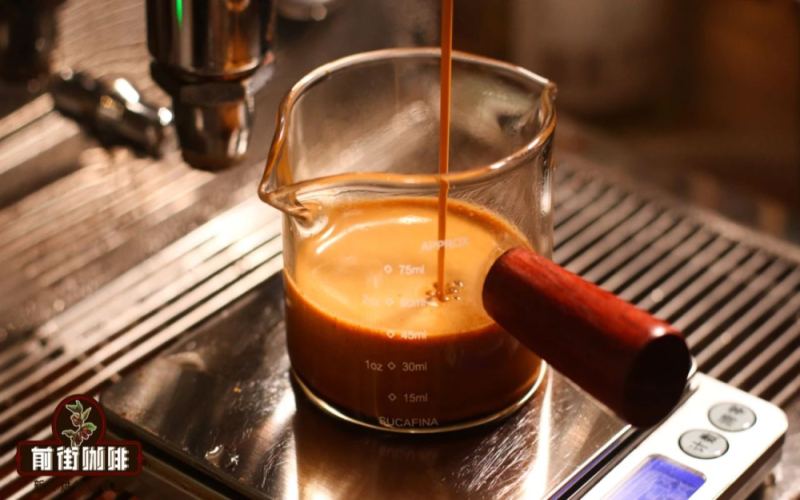
Five Major Reasons Why Espresso Has No Crema and Key Points for Making Italian Coffee Correctly
Extracting a rich, thick crema on an espresso shot is the goal of many coffee enthusiasts. But sometimes the espresso comes out with no crema at all—what in the world is going on? A proper espresso should be topped with a golden-brown crema about one-third the depth of the cup, with a creamy texture when swirled. If the crema is missing, the problem may lie with the coffee beans, the machine, the parameters, or the technique. Drawing on Front Street Coffee's hands-on experience, this article systematically breaks down the five most common causes—roast level of the beans, freshness, machine pressure, grind size, and water temperature—to help you quickly troubleshoot the issue and master the correct way to pull an espresso. [more…]